




How Heated and Ventilated Seats Work
Heated seats use electric heating elements built into the seat cushion and seatback. When activated, the elements warm the seating surface and conduct heat through the seat cover to the occupant. Most implementations offer multiple intensity levels controlled through the touchscreen or dedicated buttons. Heating elements work through any seat cover material, which is why heated seats appear earlier in a Jeep trim lineup than ventilated seats.
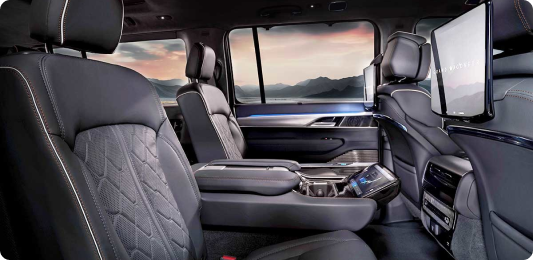
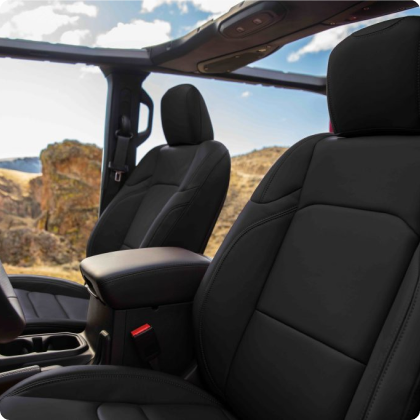
Ventilated seats use small fans built into the seat structure to draw air through perforations in the seat cover. The moving air cools the occupant by evaporative effect, which is more comfortable than air conditioning alone in humid summer conditions. Ventilation requires a perforated leather or leatherette cover with precisely aligned air channels, which is why the feature is only available on upper trim levels with leather or leatherette seat surfaces. Cloth seat covers cannot be perforated in the way ventilation requires, and that manufacturing constraint is the single biggest reason ventilated seats sit higher in a model's trim hierarchy than heated seats.
The two features operate independently. On vehicles where both are offered, they cannot run simultaneously, since heating and cooling the same seat at the same time would cancel each other out.